
Antalya, Türkiye · Nov 9–20, 2026
COP 31
The University of Michigan will sponsor a select, cross-campus student delegation to the COP 31 Climate Conference in Antalya, Türkiye, from November 9–20, 2026, offering students an opportunity to engage directly in global climate negotiations, influence real-world policy discussions, and bring transformative insights back to campus and communities at home.
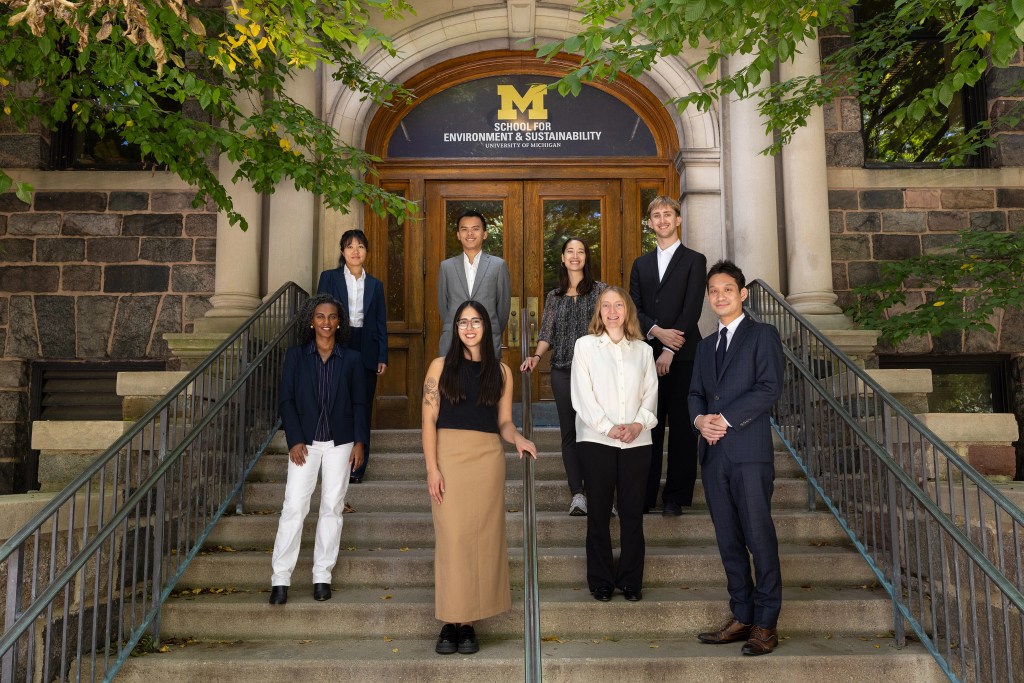
13 delegates
8 onsite in Antalya, 5 virtual
Nov 9–20, 2026
Antalya, Türkiye

COP 31 onsite delegates
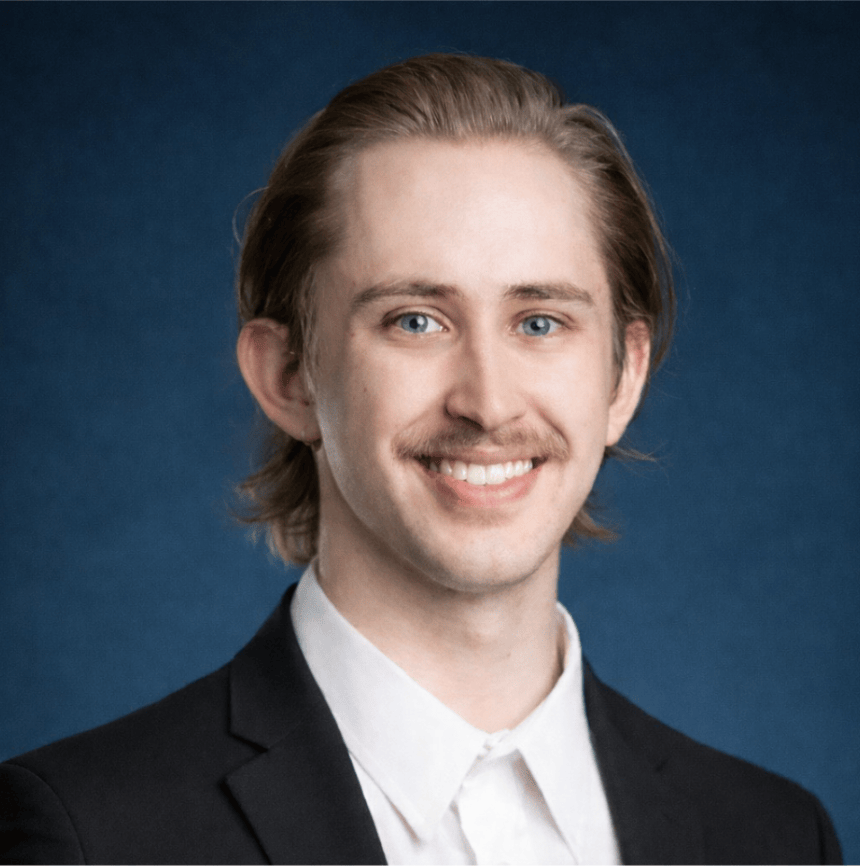
Benjamin Bartlett
M.S. student, SEAS · Environmental Policy
Read bio
Benjamin Bartlett (he/they) is a second-year M.S. student at the University of Michigan School for Environment and Sustainability (SEAS), with a specialization in Environmental Policy. They conduct research in U-M’s Climate Policy Lab, Informal Sustainability Lab, and Sustainable Urban-Rural Futures Lab, focusing on urban environmental policy in developing cities and the factors that shape whether people engage in or withdraw from political participation. Prior to graduate school, Benjamin earned a degree in Molecular Biology from the University of California, Berkeley, and worked full-time as a project manager for a nonprofit, where he studied Oakland’s watersheds and urban environmental management. At COP31, he hopes to deepen his understanding of international climate governance, engage with policymakers and researchers, and explore how global climate commitments translate into equitable local action, particularly in cities where informality shapes environmental governance, service provision, and residents’ relationships with the state.
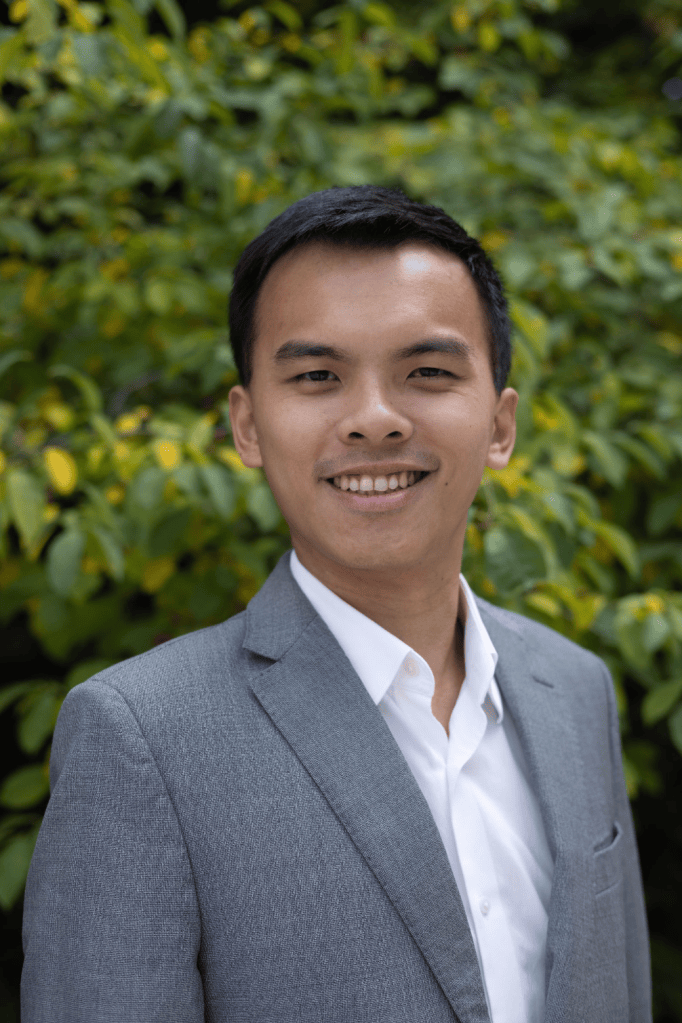
Willy Mak Long
M.S. student, SEAS · Environmental Policy
Read bio
Willy Mak Long (he/him) is a second-year M.S. student at the University of Michigan School for Environment and Sustainability (SEAS), specializing in Environmental Policy. As an economic advisor, he has designed investment frameworks and structured sustainable finance solutions across Latin America, Europe, and the United States, collaborating with organizations such as GIZ, the Inter-American Development Bank (IDB), the United Nations, and the European Union. At the University of Michigan, he has continued to advance climate-focused economic development by leading sourcing and due diligence efforts for the Michigan Climate Venture Fund and mentoring fellow students on strategies to promote sustainable growth in the energy sector. At COP31, he hopes to identify innovative financial mechanisms and investment instruments that are effectively addressing climate change while mobilizing greater private sector participation to scale impact and accelerate the transition to a sustainable economy.
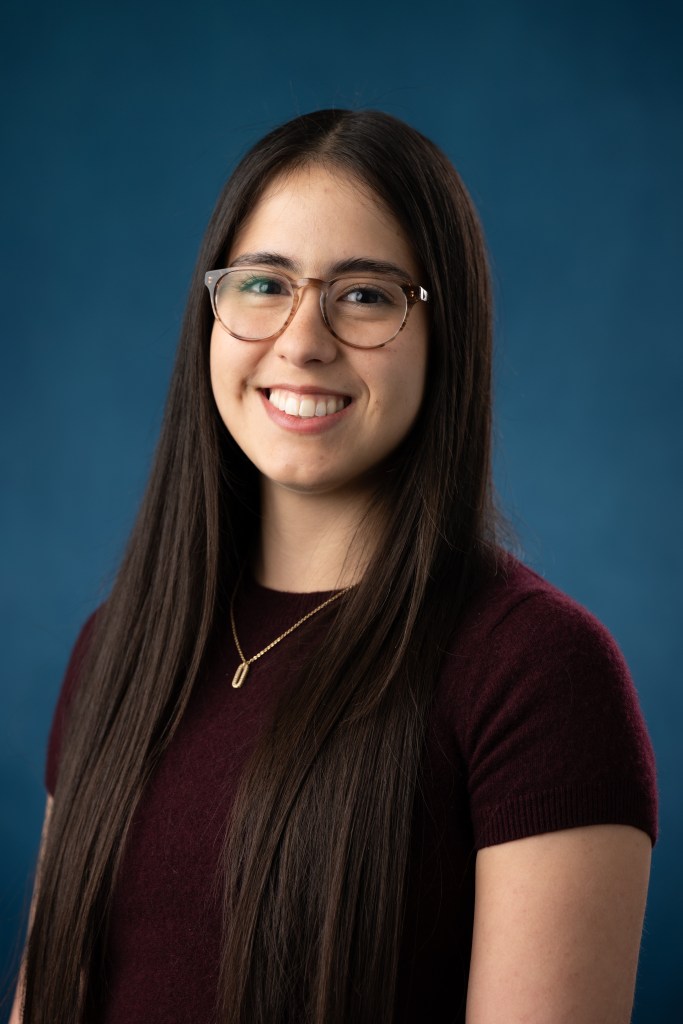
Ana Castañeda Montoya
PhD candidate, Climate and Space Sciences and Engineering
Read bio
Ana Castañeda Montoya (she/her) is a third-year PhD candidate in the Department of Climate and Space Sciences and Engineering at the University of Michigan. Before graduate school, she earned a Bachelor of Science in Physics from the University of Texas at Dallas. Ana’s research uses satellite imagery to characterize the diurnal cycle of tropical ice clouds, with the goal of understanding how these clouds interact with longwave radiation emitted by Earth. At COP31, Ana is eager to deepen her understanding of international climate policy, explore how climate science can inform decision-making, and learn how researchers can communicate their findings more effectively to policymakers. This experience will help her strengthen her science communication skills and become a more impactful researcher.
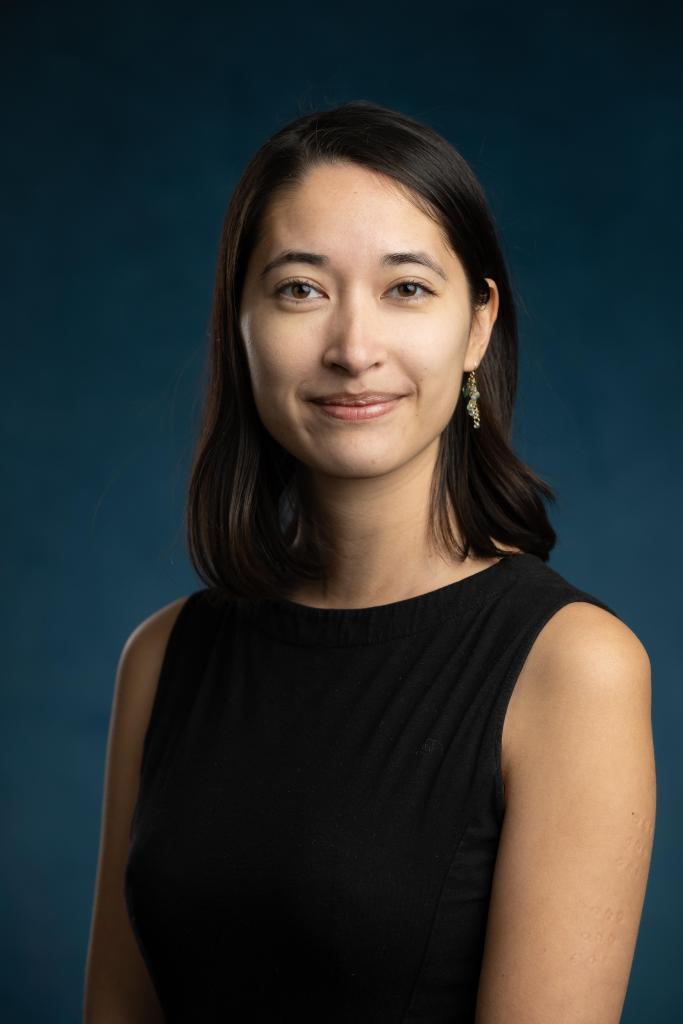
Sonomi Oyagi
M.S. student, SEAS · Environmental Policy and Environmental Justice
Read bio
Sonomi Oyagi (she/they) is a second-year M.S. student at the University of Michigan School for Environment and Sustainability (SEAS), with specializations in Environmental Policy and Environmental Justice. Their capstone project explores methods for improving local equity for U.S. municipalities engaging in rapid transitions to renewable energy. Prior to graduate school, Sonomi graduated with a Bachelor of Science in Neuroscience and Political Science from Johns Hopkins University. She then worked at a health regulatory affairs consulting firm in Bethesda, Maryland, advising clients on how to meet regulatory requirements for approval of medical products and devices in the United States, Canada, European Union, United Kingdom, and other regions. At COP31, Sonomi is interested in exploring how national and international climate mitigation and adaptation targets are translated into city-level plans, and how effective climate policy can be leveraged to improve global health outcomes.
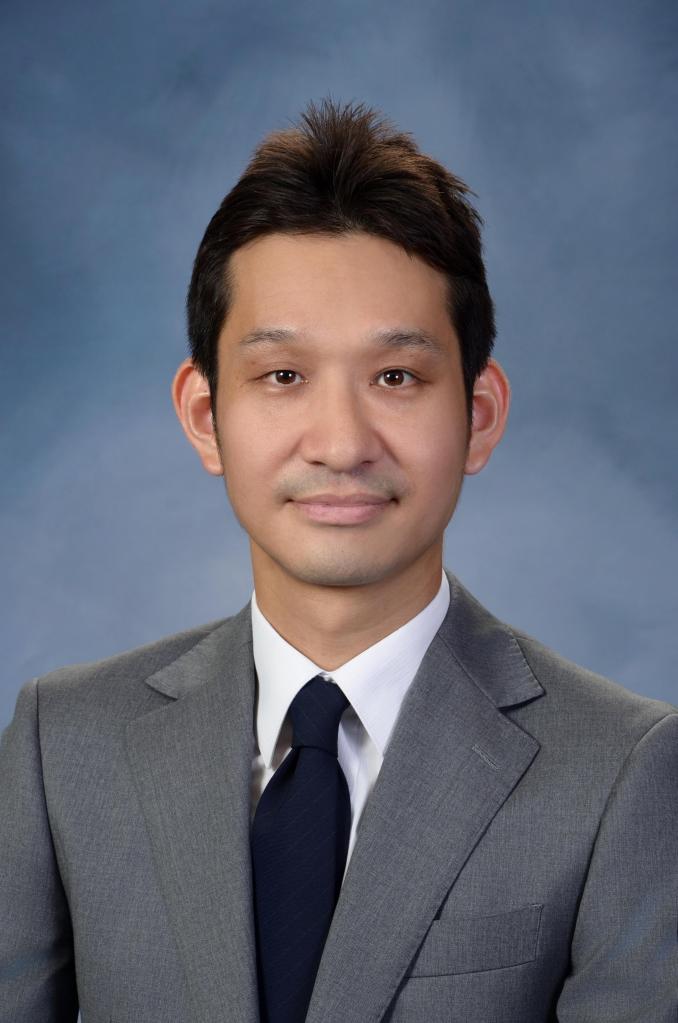
Koki Sawa
Master’s student · Sustainability & Development
Read bio
Koki Sawa (he/him) is a second-year Master’s student at the University of Michigan specializing in Sustainability & Development. His academic focus integrates green infrastructure development, ecological design, climate finance, and sustainable land use planning. At U-M, his research explores financing mechanisms and private sector engagement models to transform vacant urban lots in Detroit into scalable, climate-resilient ecological infrastructure. Prior to U-M, he served as a Project Formulation Advisor at the JICA Pakistan Office, leading initiative formulation in economic infrastructure, disaster risk management, climate change adaptation, and emergency relief operations. He holds a Bachelor’s degree in Urdu Language and Literature from Osaka University. At COP31, Koki aims to grow a greater global understanding of how country-level policies and sustainable finance frameworks can leverage PPPs to mobilize adaptation finance for climate-resilient infrastructure in vulnerable regions.
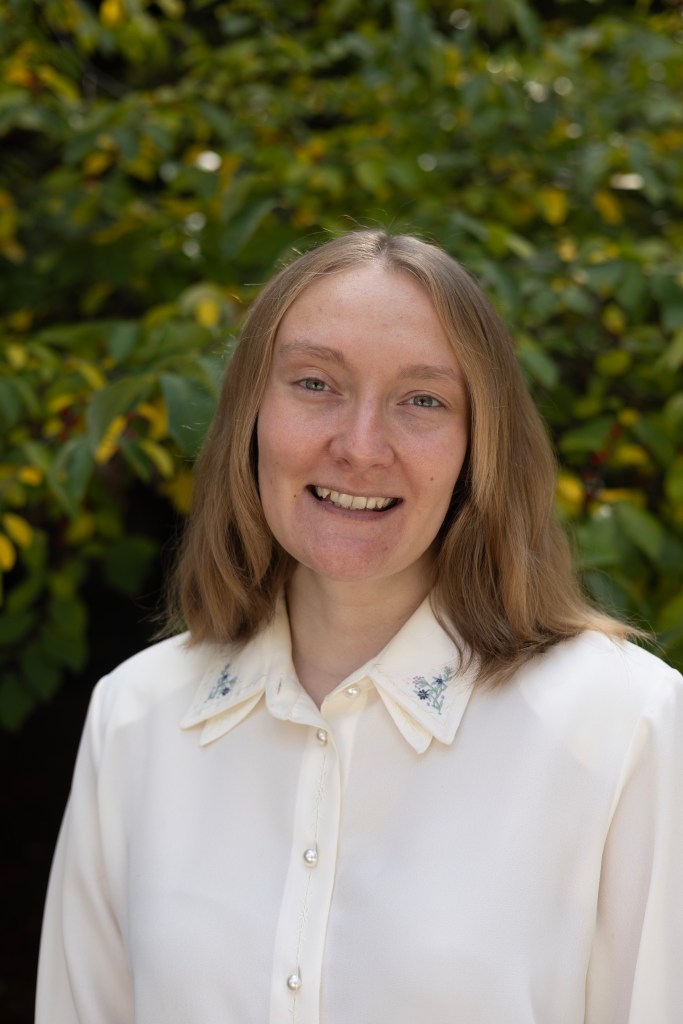
Jennifer Seth
PhD candidate, Climate and Space Sciences and Engineering
Read bio
Jennifer Seth (she/they) is a fourth year PhD candidate in the Department of Climate and Space Sciences and Engineering (CLaSP) at the University of Michigan. Prior to graduate school, she earned undergraduate degrees in Environmental Science and Meteorology from Iowa State University. In their research, Jennifer uses high-resolution weather prediction and chemistry models to simulate the aerosolization of harmful algal bloom (HAB) particles and the toxins they produce, with the goal of providing the first estimates of airborne HABs toxin exposure in the areas surrounding western Lake Erie. At COP31, she hopes to learn about how countries of the world are approaching climate adaptation, with the goal of translating this knowledge into advocating for concrete adaptation planning in their community. Jennifer also hopes to gain an understanding of the climate data needs of policymakers and practitioners, which she will share with the research communities across UM to encourage them to produce deliverables that meet these needs.
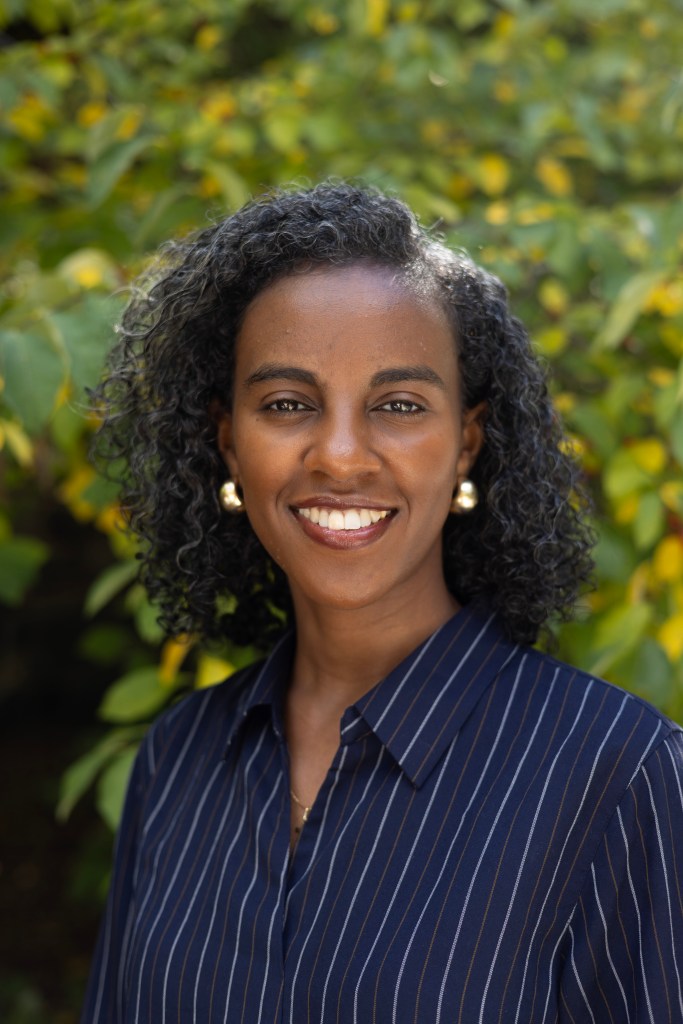
Saron Mechale
MBA/MS student, Ross and SEAS
Read bio
Saron Mechale (she/her) is a third-year MBA/MS student earning dual degrees at the University of Michigan Ross School of Business and the School for Environment and Sustainability (SEAS). Originally from Ethiopia, where she was born and raised, she came to the United States for college and earned a Bachelor’s degree in Social Analysis and Research from Brown University. In her graduate career, Saron is combining her MBA with a SEAS specialization in Environmental Justice, driven by her interest in weaving together public and private sector efforts to jointly solve the climate crisis and in connecting discussions of sustainability, food systems, entrepreneurship, and equity. As a 2025 Dow Sustainability Fellow, she worked with an interdisciplinary team to support the University of Michigan Water Center’s efforts to coordinate resource sharing across the Western Lake Erie Basin watershed, strengthening work to reduce nutrient pollution and improve watershed resilience. She also served as a member of the International Investment Fund at Ross, where she and her team evaluated startups across sectors including those developing climate-resilient solutions in emerging markets. Prior to graduate school, she worked on goTeff, a snack food startup promoting the use of teff, an ancient Ethiopian grain classified as a climate-resilient C4 cereal that naturally requires significantly less water, fewer synthetic inputs, and less nitrogen than traditional staple crops like wheat or alfalfa. At COP31, Saron is excited to see how international climate negotiations are carried out, especially given the power dynamics facing least developed countries and the Global South. She is particularly interested in how African nations, which have the potential to lead on climate solutions, can get ahead of them with funding and infrastructure set up to support their efforts.
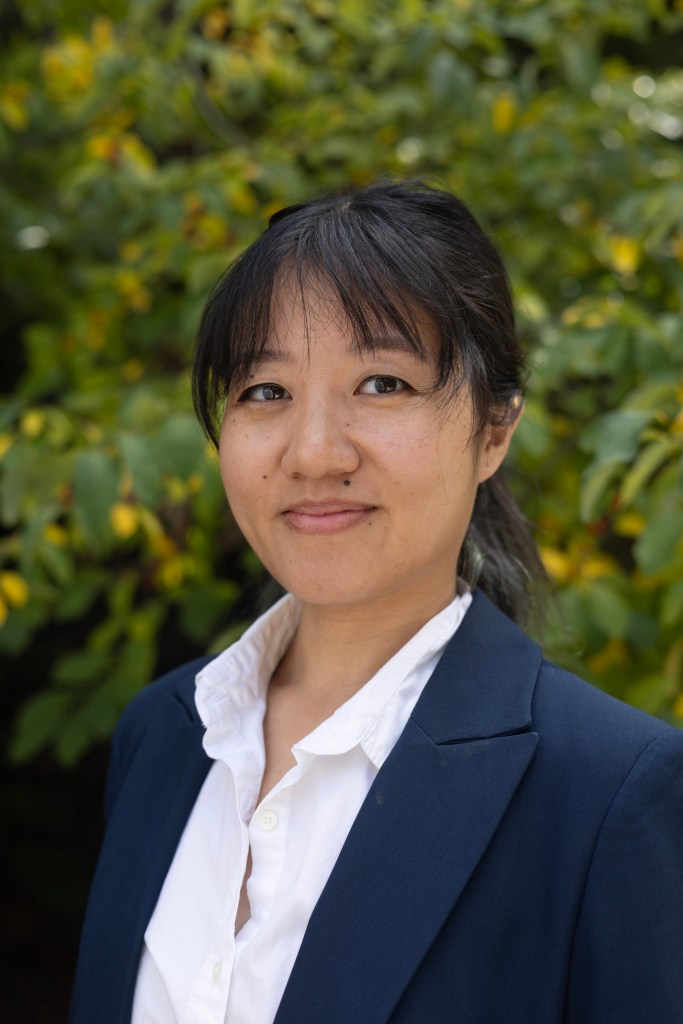
Jenny Zhang
MBA/MS student, Ross and SEAS
Read bio
Jenny Zhang (she/her) is a third-year MBA/MS student earning dual degrees at the University of Michigan Ross School of Business and the School for Environment and Sustainability (SEAS). At SEAS, she is specializing in Sustainability & Development and Behavior, Education & Communication. Her capstone project investigated how local communities and place-based organizations have organized to support the ecological conservation, social livelihoods, and sustainable development of the Osa Peninsula, Costa Rica amidst the long-term pressures of globalization and climate change. Prior to graduate school, she worked as a media strategist for corporate and not-for-profit companies, including corporate social responsibility and disaster response campaigns. She holds a Bachelor’s degree in Environmental Earth Science from Washington University in St. Louis. At COP31, Jenny is looking forward to seeing how countries operationalize their updated NDC goals and demonstrate tangible progress on the international stage, especially with the recognition that we need more public, private, and alternative investment models for climate mitigation and adaptation. She hopes to see if new policies, commitments, and financing models promote equitable partnerships across key government players and sectors.
COP 31 virtual delegates
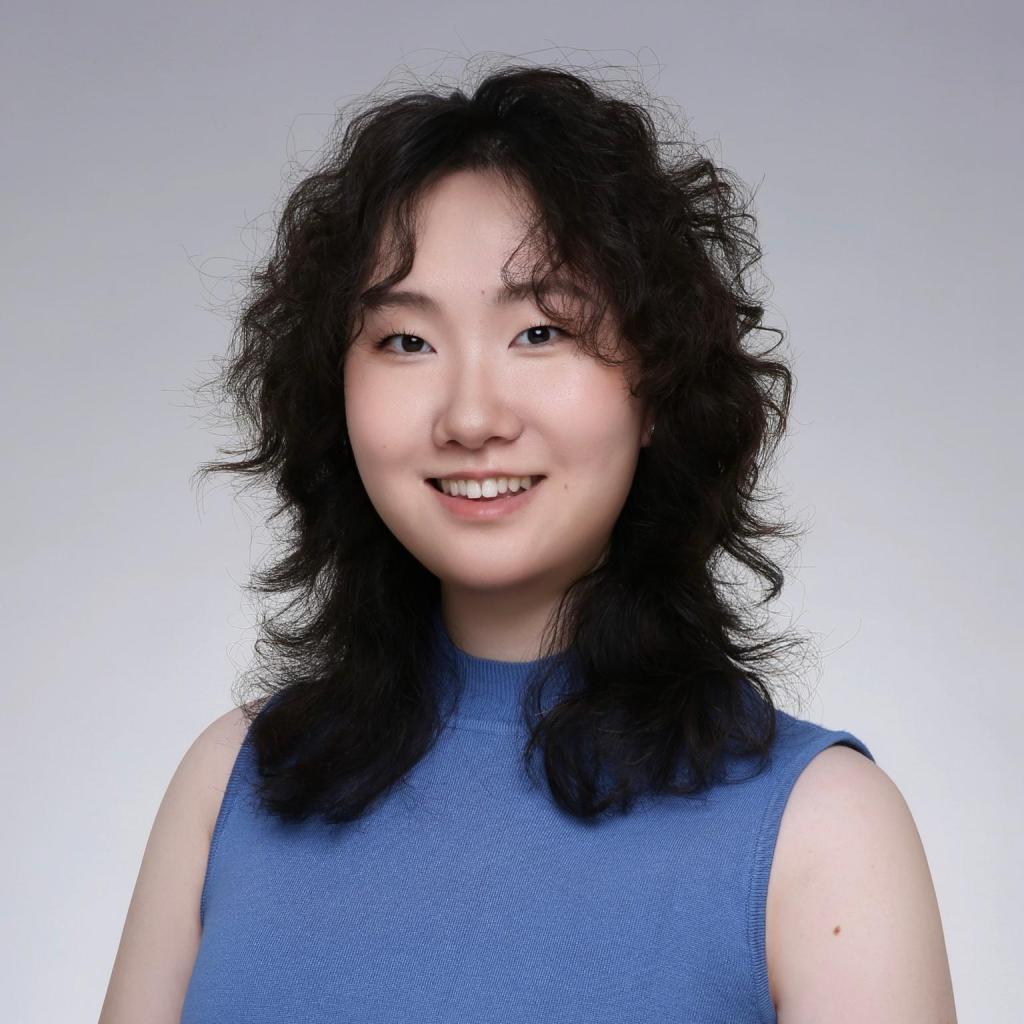
Sydney Du
Master’s student, SEAS
Read bio
Sydney Du is a master’s student at the School for Environment and Sustainability, University of Michigan. She specializes in Sustainability and Development and Geospatial Data Science. Her current thesis examines agricultural vulnerability and crop production risks among smallholder farmers in India. With a background in Philosophy and Politics, her broader research interests include climate adaptation and the social dimensions of environmental change.
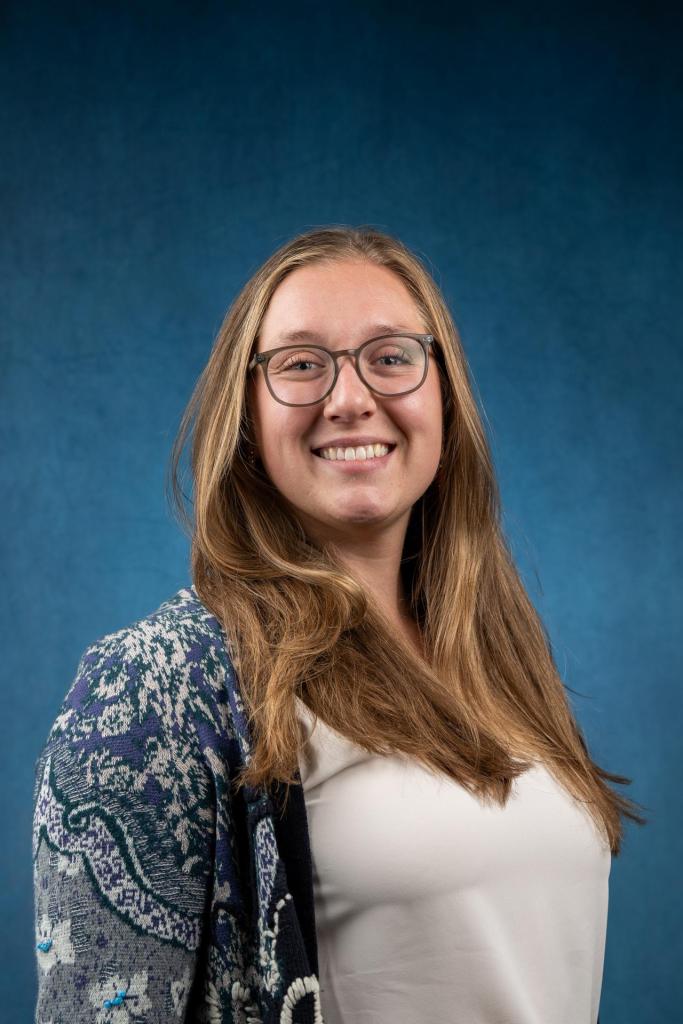
Ellory Overcast
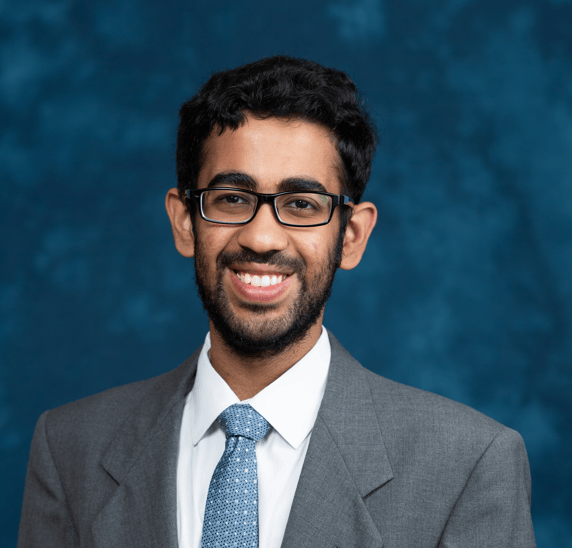
Siddhant Singh
PhD candidate, Mechanical Engineering
Read bio
Siddhant Singh is a PhD candidate in the Department of Mechanical Engineering at the University of Michigan. His research focuses on improving battery modeling and simulation to reduce the time and cost of experimental testing, with applications in electric vehicles and grid-scale energy storage.
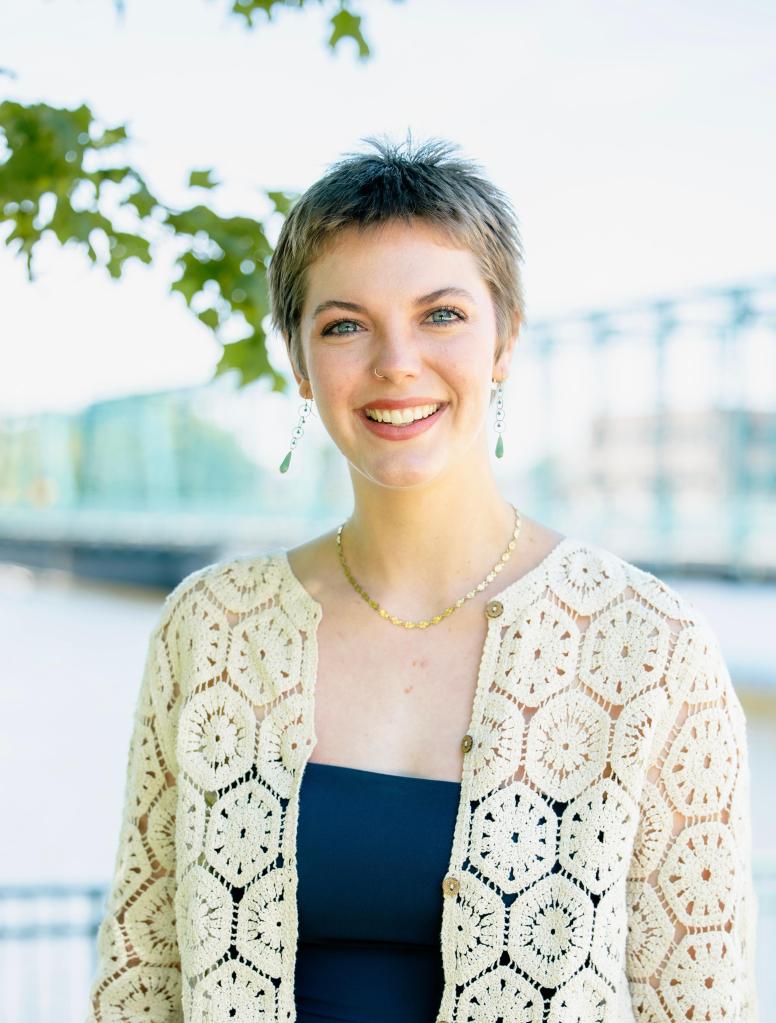
Stephanie Smith
Graduate student, SEAS
Read bio
Stephanie Smith is a budding disaster risk reduction (DRR) professional pursuing her second year of graduate studies in SEAS. Her academic focus is in environmental policy and communications. Last year, as UM’s Wallenberg Fellow, Stephanie lived alongside communities in North Carolina and Nepal to support rebuilding efforts after natural disasters. This helped her to better understand how the DRR field can adapt to fit these needs and deepened her interest in climate finance. She is looking forward to following discussions about the Loss and Damage Fund at this year’s COP, particularly in connection with the unprecedented Nepal-Tibet flood in August.

Allison Wu
M.S. student, SEAS · Sustainable Systems
Read bio
Allison Wu is a first-year Master’s student at the University of Michigan’s School for Environment and Sustainability, specializing in Sustainable Systems. Before joining SEAS, she worked as a sustainability consultant at Deloitte Taiwan, focusing on ESG strategy, sustainability reporting, and carbon management. She is interested in climate policy, energy transitions, and international cooperation on climate action.
Follow the delegation at COP 31
Updates from the delegates, plus blog posts from the COP 31 trip on this site.

