
COP 28 is the most significant annual climate change conference of 2023, hosted in Dubai, United Arab Emirates. Organized with the support of oil companies and executives, it promises a smoother transition to green energy and the end of the fossil fuel era. Representatives and heads of state from 154 countries worldwide convened to discuss and negotiate the future of climate action. The COP marked the conclusion of the first global stocktake, which reaffirmed the progress toward meeting the climate action goals set by the parties in the Paris Agreement. Leaders from all parties issued statements about their national contributions to growth in line with sustainable development goals and greenhouse gas emission reduction. As a young professional specializing in atmospheric sciences with a STEM background, I found the cross-functional communication between the scientific community, policymakers, the private sector, and youth-led initiatives fascinating.
Annually, COP also hosts events by NGOs, national governments, meteorological, and oceanographic institutions. These gatherings bring together subject matter experts, media professionals, and research organizations to initiate dialogues and push for transparency in the transition process. However, these events are often overshadowed by public statements from political leaders, as depicted in mainstream media. As an observer from one of the world’s most prestigious universities, I recognize the significance of COP as a platform for connecting change-makers and giving a voice to representatives from indigenous communities. A recurring theme in many events was the importance of indigenous knowledge in developing solutions for climate change. This year, COP hosted the inaugural “Faith Pavilion,” where faith-based organizations from various world regions shared insights on climate change adaptation. Over the years, these organizations have significantly contributed to disaster aid and response, as evidenced by their role in relief and recovery following hurricanes Katrina and Rita.

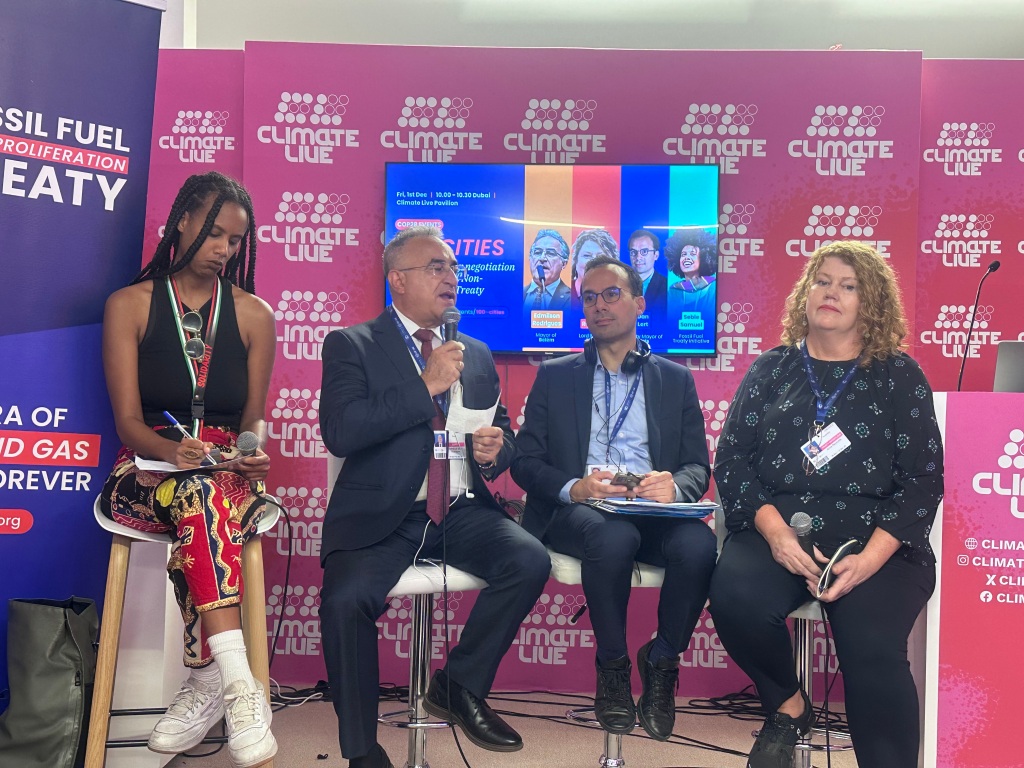
On the second day of COP 28, city government leaders from Paris, Hobart, and Belem united to advocate for a non-proliferation of fossil fuels. They stressed the importance of local government action as a grassroots effort for climate action. The green zone and side events at COP brought together young entrepreneurs and investors to discuss opportunities for tech-based solutions in fields ranging from water resource management to alternative protein sources for food security. My fellow UM delegates and I volunteered with UNFCCC for the 16th Focal Point Forum of the Nairobi Work Programme, which included mountain and high-latitude nations. Representatives from Bhutan and Chile shared their perspectives on the current state of adaptation and early warning systems. Our inputs contributed to the preparation of the event’s summary.
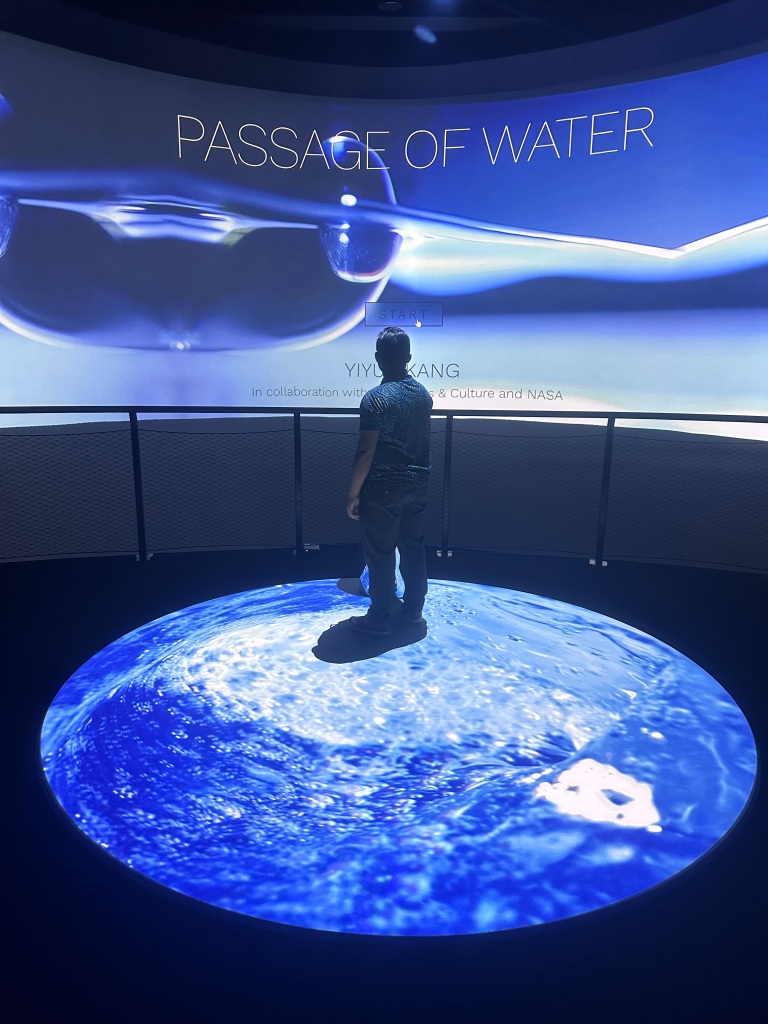
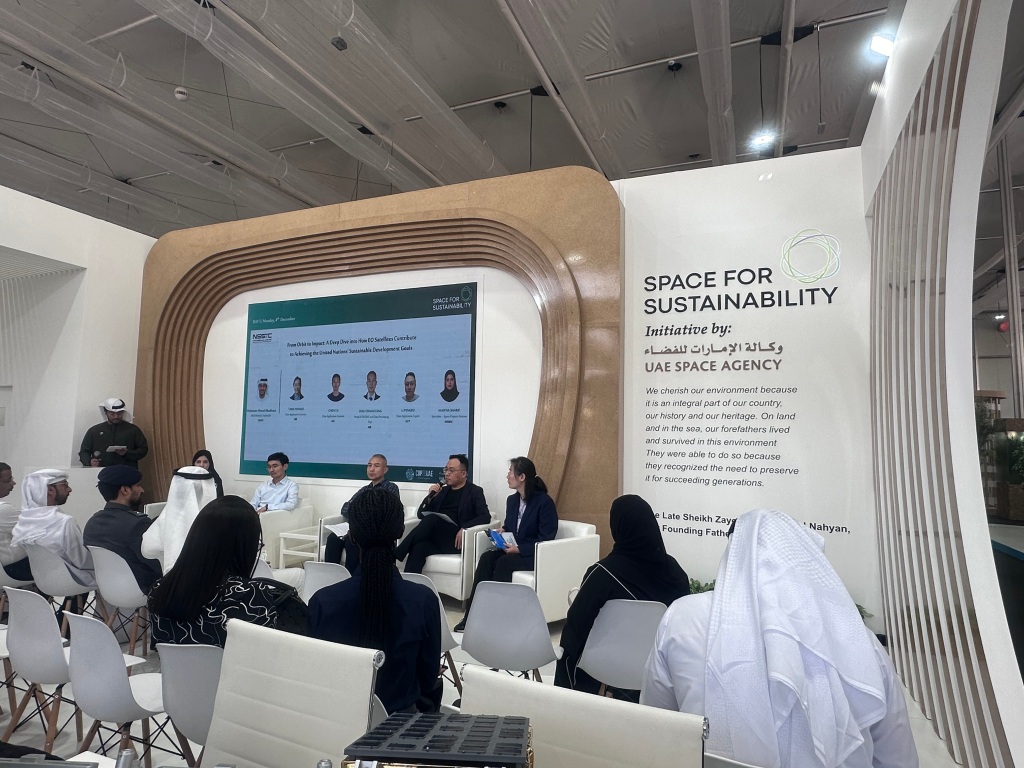
The technology and innovation zone also featured a Space Pavilion with national space agencies from Japan, the UK, the UAE, and France. Panel discussions highlighted the role of space technology in monitoring climate change, underscoring the importance of satellite data in tracking greenhouse gas emissions. ESA and NASA, present in the blue zone, held events to emphasize the significance of climate science and its impact on various stakeholders. NASA, in collaboration with Google and artist Yiyun Kang, created “A Passage of Water,” an interactive experience showcasing the impact of climate change on freshwater resources and Earth’s water cycle. This digital experience utilizes satellite data from the Gravity Recovery and Climate Experiment and the Surface Water and Ocean Topography missions. Recently, Europe’s Copernicus Climate Change Service reported global temperatures to be 2 degrees above the pre-industrial levels for the first time. It calls for an urgent action to meet the goals of emission reduction, and energy transition. As a young professional in space science and technology, I encourage my colleagues in Earth science and space systems engineering to participate in forums promoting policy-making based on scientific evidence. My main takeaway from COP 28 is that, despite skepticism and a halo of future promises, it provides a platform for people to connect and share successful methods with communities in need. Every major change must start at a local level.
 Climate Blue