
COP28 was a significant COP for nuclear energy, being referred to as the ‘nuclear COP’ by many people. This is primarily because of two key accomplishments:
- Declaration to triple nuclear energy capacity by more than 20 countries.
- ‘Nuclear’ being included in the final COP decision text for the first time.
These things didn’t happen overnight; it took many years to take nuclear from taboo to tolerated at COP. Many people around the world still do not support the usage of nuclear energy for various reasons, some of which are valid, while others are based solely on fear. However, after speaking with several veteran COP attendees and nuclear advocates, it seems like each COP brings more support for nuclear energy.
The severity of the climate crisis is becoming more apparent every year, which is leading people to consider more alternatives to fossil fuels. With help from advocacy organizations such as Nuclear for Climate, nuclear energy is becoming a more palatable option for many people. After attending many events about nuclear energy, speaking with Nuclear for Climate delegates, having conversations with ‘non-nuclear’ people, and spending an afternoon advocating for nuclear energy, I learned a few lessons about nuclear communication.
Four Lessons Learned in Nuclear Communication at COP28:
1. Effectively and concisely communicating technical information is challenging.
Advanced education doesn’t automatically qualify someone as an excellent communicator. It is challenging to communicate information about nuclear energy in a concise and not overly technical manner while still portraying the important information.
I was confronted with this when asked about the wastewater that was released from Fukushima by someone in the fishing industry in the Pacific Islands at COP28. This water had been treated and was left with low levels of tritium and then released into the Pacific Ocean. Instead of explaining that there was only a small amount of tritium in the water released that was below Japan’s regulatory limit, I began explaining the difference between the isotopes of hydrogen and tritium.
His eyes almost immediately glazed over, and I recognized how he was feeling. I tried to backtrack and talk more broadly about the release, and he was very kind, but I realized that I was not communicating effectively. I realized that it is important to remember what I knew about nuclear energy before I started my education and to keep that in mind when I am conversing with someone with a different knowledge set.
2. The risks of nuclear energy need to be communicated in terms of the risks of climate change.
There are of course risks associated with nuclear energy, but there are also risks associated with climate change and lack of reliable energy. The risks of nuclear energy cannot be considered in a vacuum and need to be considered more broadly. This is difficult to explain due to the gap between the perceived risks of nuclear energy and the actual risks. I believe this is an area for innovation in communication for nuclear advocates going forward.
3. People want to be listened to and have their concerns heard.
Listening is crucial in communication, and that is no different with nuclear energy. People want to have their concerns heard, without being belittled. A respectful dialogue is more likely to come from an interaction with someone who doesn’t support nuclear energy if they are met with listening ears and an empathetic attitude. People are more likely to be receptive to learning about nuclear energy when their concerns are heard rather than being dismissed with a superior attitude.
4. Sometimes you need to agree to disagree.
Sometimes… no matter what you say, someone still isn’t going to accept nuclear energy. Most people are reasonable, willing to listen to facts, and may change their opinion if confronted with new information. However, some people will likely never support nuclear energy. It’s better to agree to disagree with them and move on to talking to someone who has an open mind.
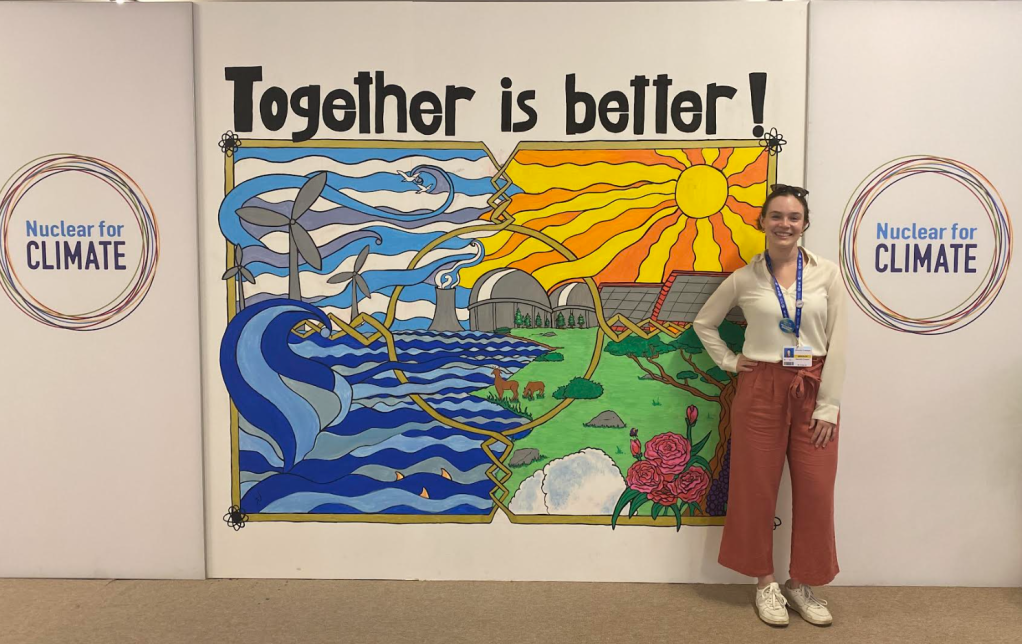
Nuclear has come a long way at COP over the past few years. The severity of climate change is becoming more apparent, prompting people to consider other alternatives to fossil fuels. Nuclear advocates have worked tirelessly to spread the word about nuclear energy through talks and one-on-one conversations. These conversations have begun to change the narrative surrounding nuclear energy and have contributed to the accomplishments at COP28. As we look forward to COP29, it’s imperative to continue innovating communication of the risks and benefits of nuclear energy. While the accomplishments of COP28 are great, we need to keep the momentum going so that it isn’t known as the sole ‘nuclear COP’.
 Climate Blue