
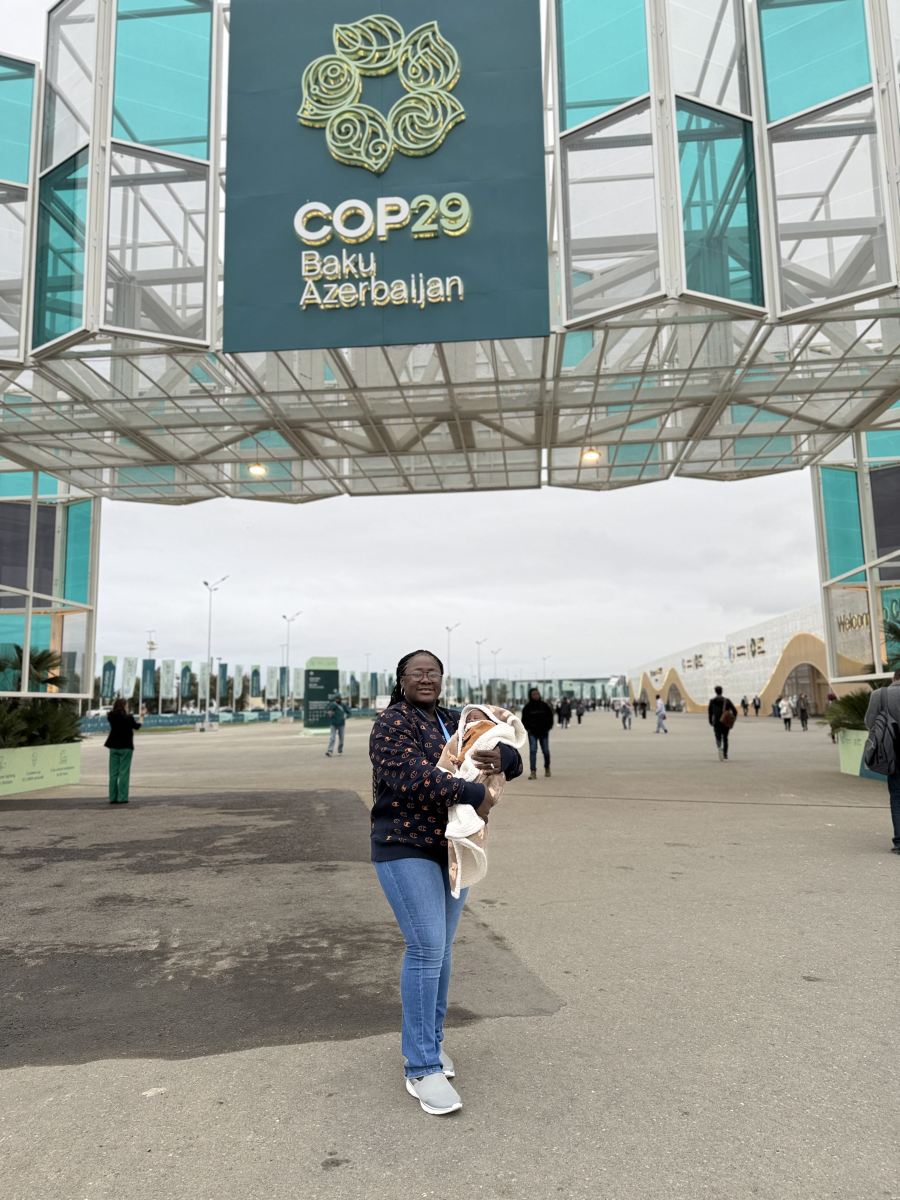
As the world grapples with the escalating challenges of climate change, the demand for innovative and effective solutions has never been greater. At COP29 in Baku, Azerbaijan, I had the opportunity to explore an exciting frontier at the intersection of technology and finance: the need to integrate space technology and space weather into climate finance strategies. From the vast expanse of space to the intricate workings of climate finance, we’re witnessing a revolution in how we monitor and respond to Earth’s changing climate. Space-based assets are no longer just observing our planet—they are actively reshaping the financial models we rely on to combat the climate crisis. This convergence of disciplines holds immense promise, offering new tools to enhance resilience, mitigate risks, and drive sustainable development on a global scale. But to fully realize this potential, we must also address an often-overlooked challenge: the impact of space weather on our systems.
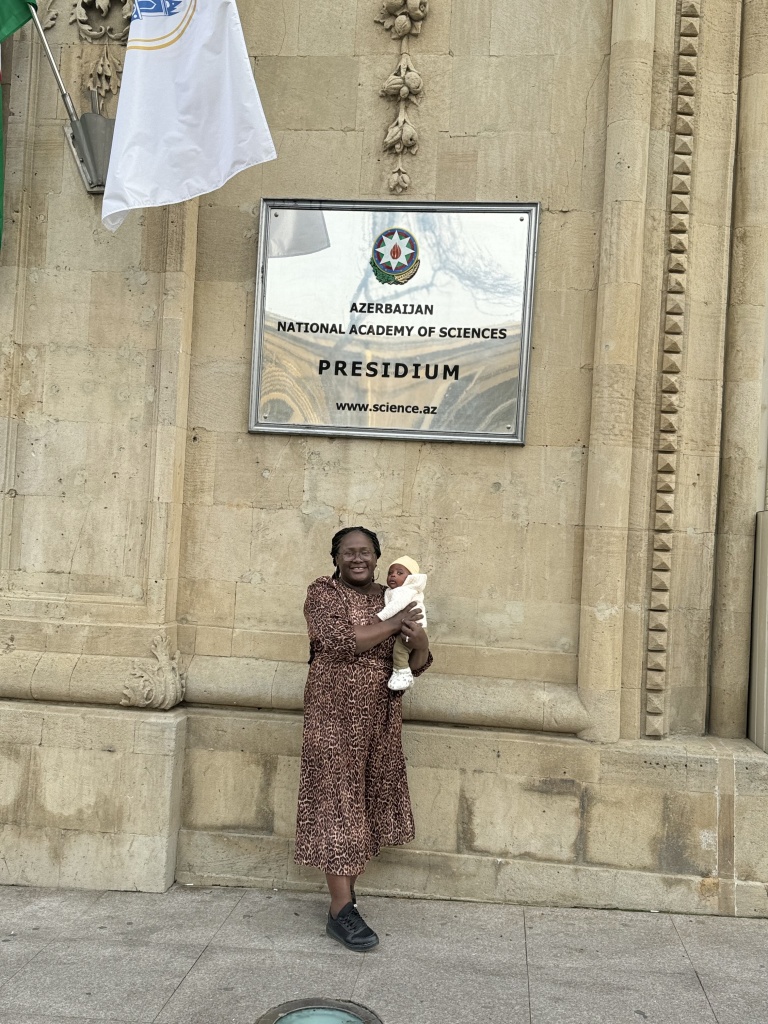
Traveling to Azerbaijan with my two-month-old son for COP29 was an experience that extended far beyond professional discussions. Walking through the vibrant streets of Baku, I couldn’t help but reflect on the profound real-world implications of our work—not just for policymakers and scientists but for future generations, including my own child. As I carried him through the city, I thought about the world he would inherit. The decisions we make today—whether to embrace innovative solutions like space technology or to ignore the warning signs of a changing climate—will shape the planet on which he grows up on. Protecting our environment isn’t just an abstract goal; it’s about safeguarding the future of my son and the next generation. It’s about ensuring they inherit a world that is not only habitable but thriving. This realization has strengthened my resolve and commitment to advancing climate solutions that are both innovative and inclusive, bridging the gap between cutting-edge science and actionable strategies.
Space technology has become a cornerstone of our ability to observe and understand Earth’s climate systems. Satellites provide critical data on sea level rise, deforestation, ice sheet dynamics, and other climate phenomena, enabling accurate modeling and forecasting. However, these observations are not immune to the challenges posed by space weather—conditions in space that affect Earth and its technological systems. Solar flares, geomagnetic storms, and other space weather events can disrupt satellite operations and communications, which are essential for transmitting climate data and coordinating disaster response strategies. If we are to rely on space-based assets to guide our climate action, we must also invest in understanding and mitigating the risks posed by space weather. We can make a stronger case for investing in resilient space technologies and robust financial mechanisms by addressing how space weather impacts satellite reliability and data integrity. This, in turn, will help secure the resources needed to protect vulnerable communities and advance global climate goals. Future COP events must prioritize discussions on this intersection, as tackling space weather’s impact head-on will not only strengthen climate finance frameworks but also highlight the interconnectedness of space science, technology, and sustainable development.
The importance of understanding the impacts of space weather extends far beyond protecting our equipment and technologies—it gives us an edge in building financial resilience. Improved space weather forecasting can mitigate risks to satellites that monitor climate phenomena, supporting more robust insurance policies and financial instruments against climate risks. For instance, in 2017, Hurricane Maria devastated Puerto Rico, causing widespread destruction and knocking out communication systems. Satellite services, essential for coordinating emergency responses, were severely disrupted, delaying rescue operations and exacerbating the crisis. The economic cost of the hurricane was estimated at over $90 billion, with a significant portion attributed to infrastructure and communication failures. If financial models had accounted for the risks posed by space weather—such as solar flares that could further disrupt satellite operations—governments and insurers could have developed more adaptive policies to mitigate these losses. This intersection of space technology and finance underscores the need for innovative approaches to risk management in a warming world. By integrating space weather data into financial planning, we can create more adaptive and resilient systems to address the growing threats posed by climate change.
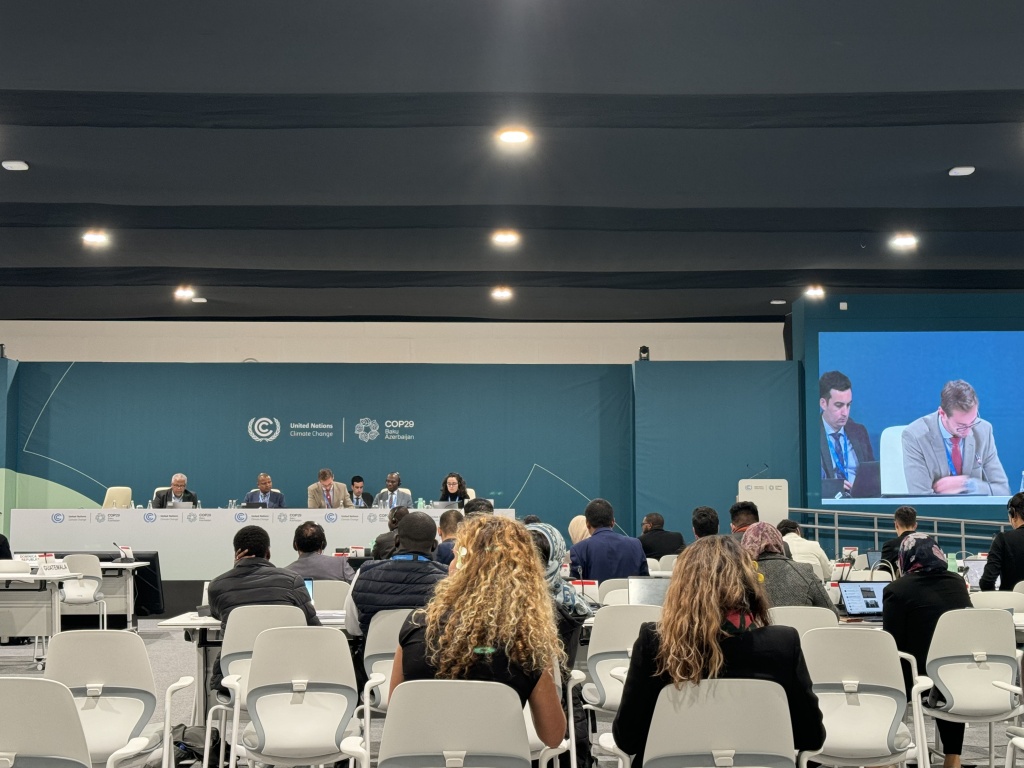
One of the most enlightening sessions I attended was “Corporate Sustainability and Climate Action,” organized by the COP29 Azerbaijan Operating Company. Another session I participated in was the “Matters relating to the Adaptation Fund – Contact Group: CMP 6.” The discussions at these sessions opened my eyes to the transformative potential of space technology in shaping the future of climate finance. As our planet warms and the stakes rise, the financial sector is increasingly recognizing the need to invest in technologies that provide accurate data and forecasts. Integrating space technology into financial planning and risk assessment is no longer just a possibility—it’s a pathway to more effective and far-reaching climate action. This convergence of disciplines offers a blueprint for addressing the multifaceted challenges of climate change, from mitigating risks to enabling adaptive strategies. The potential of space-based insights to revolutionize climate finance is immense, and COP29 served as a reminder of the urgency to act on this opportunity.
Outside of the conference halls, exploring Azerbaijan with my son was a poignant reminder of why this work matters. Walking through the historic streets of Baku, where ancient architecture meets modern innovation, I was struck by the contrast between the enduring beauty of our planet and the urgent climate challenges we face. Holding my son as we took in the sights, I couldn’t help but think about the world he will inherit. These moments reinforced my belief that integrating space technology into climate finance is not just a technical endeavor—it’s about securing a livable, thriving world for future generations. The landscapes of Azerbaijan, with their rich history and natural splendor, served as a powerful backdrop to the discussions at COP29, grounding the urgency of our work in the reality of the world we are striving to protect.
The integration of space technology into climate finance represents a promising frontier in our fight against climate change. At COP29, it was clear that the path forward requires collaboration, innovation, and an unwavering commitment to sustainability. Let’s continue this vital work, ensuring that space weather research and climate policy inform and enhance each other toward sustainable global progress. Together, we can harness the power of space to safeguard our planet and build a more resilient future.
 Climate Blue