
The University of Michigan will be sending a delegation of 8 students from across the university to the COP 30 Climate Conference in Belém, Brazil from November 10-21, 2025.
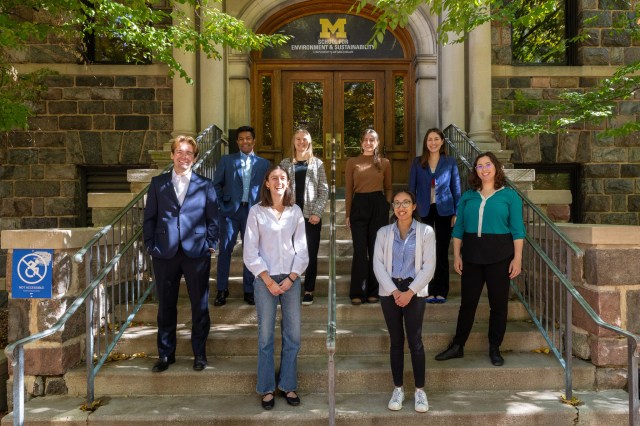
Our delegates
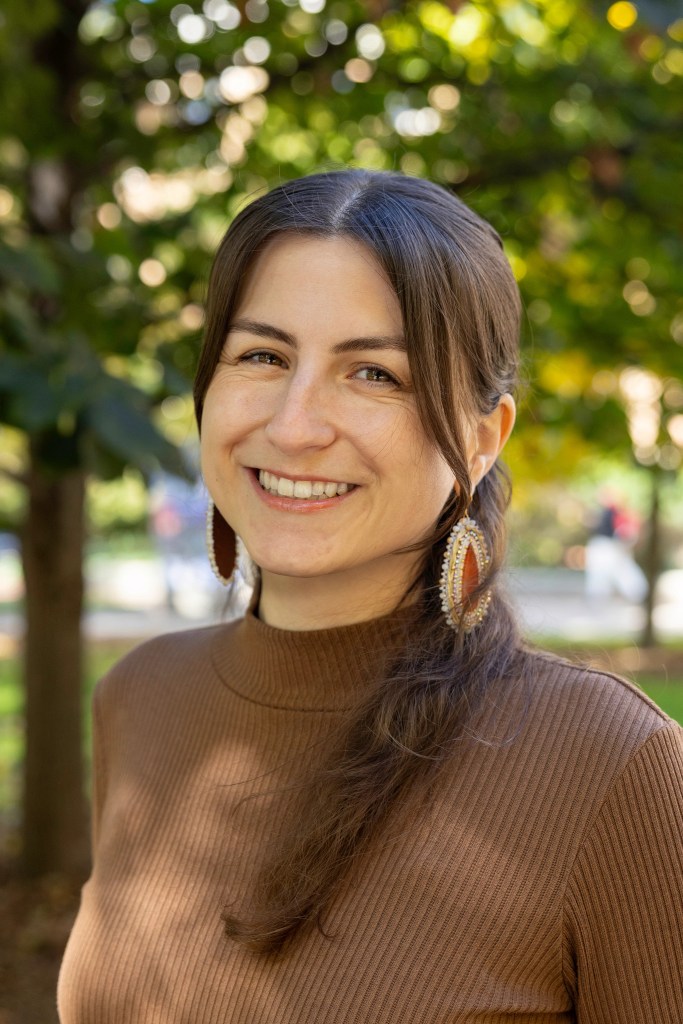
Coral Avery (they/them) is a second year master’s student in the School for Environment and Sustainability (SEAS), with a specialization in environmental justice. They are pursuing a concurrent certificate in Diversity, Equity, and Inclusion and are a Climate Catalyst at the SEAS Tishman Center for Social Justice and the Environment. Coral is a citizen of the Shawnee Tribe and has worked in the environmental field for a decade in global conservation education, state-wide climate advocacy, regional Tribal climate adaptation, and local food sovereignty initiatives. Their research centers Indigenous approaches to climate justice and resilience within the Americas. Outside of school, Coral is a Climate Planning Specialist at a federal agency, where they support Tribes with community resilience initiatives including community-led relocation and capacity building. At COP30, Coral aims to grow a greater global understanding of how national policies incorporate Indigenous rights and equity in climate mitigation and adaptation decisions.
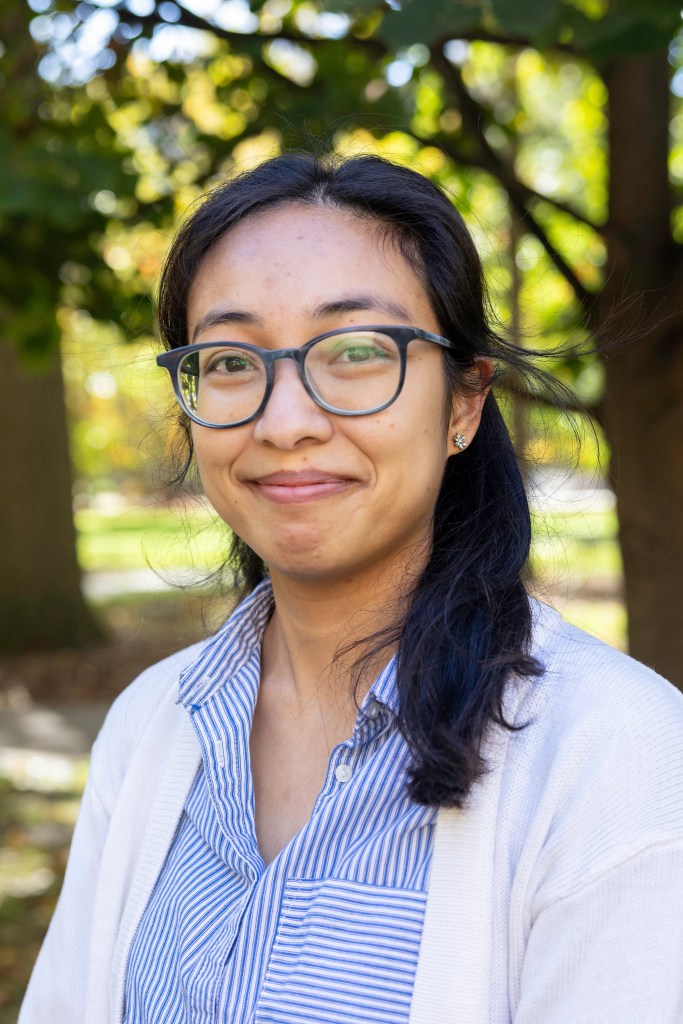
Radhika Handa is a third-year MBA/MS dual degree candidate at the Stephen M. Ross School of Business and School for Environment & Sustainability at the University of Michigan, through the Erb Institute of Global Sustainable Enterprise. Prior to graduate school, she received her BS in Business Administration, Finance from American University and worked in structured finance at PricewaterhouseCoopers LLP. Radhika’s graduate studies have focused on systems change, exploration of finance as a mechanism for catalytic social impact, as well as research into Indigenous rights/sovereignty and land back. At COP30, Radhika is eager to learn more about what is happening at the negotiating table particularly in terms of understanding how nations can best be supported in their climate mitigation and adaptation goals through equitable, just, and innovative financial mechanisms as well as inclusive decision-making processes that center the voices of those disproportionately affected by the climate crisis.
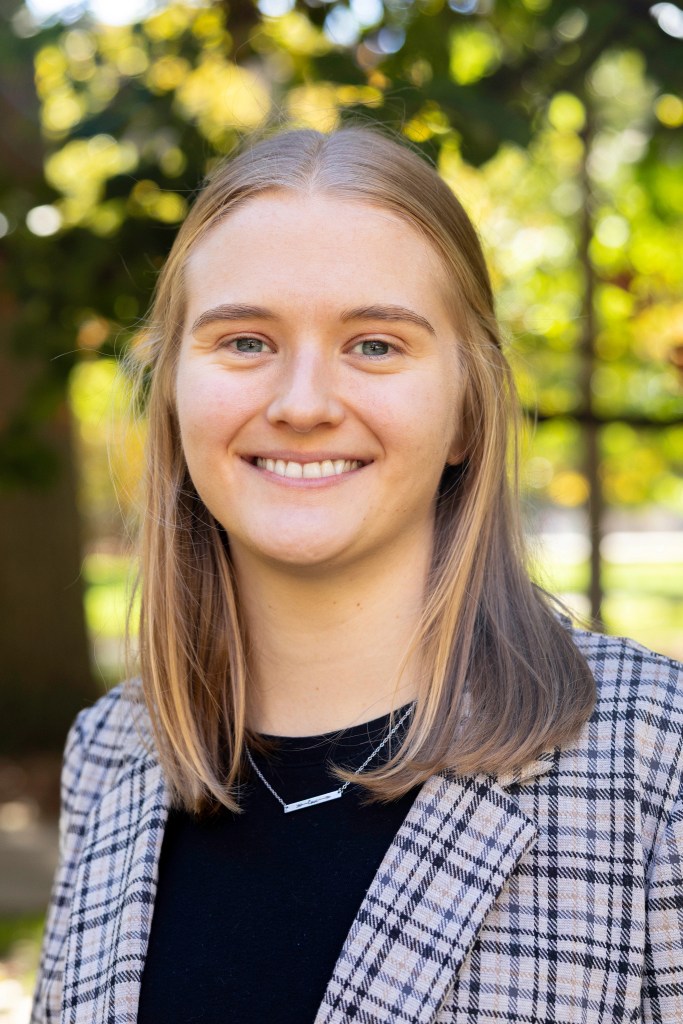
Meredith King is a second-year Master’s student in the School for Environment and Sustainability at the University of Michigan. Her concentration is on behavior, education, and communication as she is passionate about making people aware of sustainability issues and getting communities to take action. Prior to graduate school, she majored in Sustainability at the University of South Dakota with a minor in International Studies and worked as a Sustainability Dining Coordinator at James Madison University. In this position, she helped chefs reduce food waste and increase local sourcing while planning educational events for students. Meredith has always been interested in the international landscape and is excited to see global collaboration at COP 30. She is eager to observe the negotiation process and understand countries’ views on circularity and inclusive engagement.
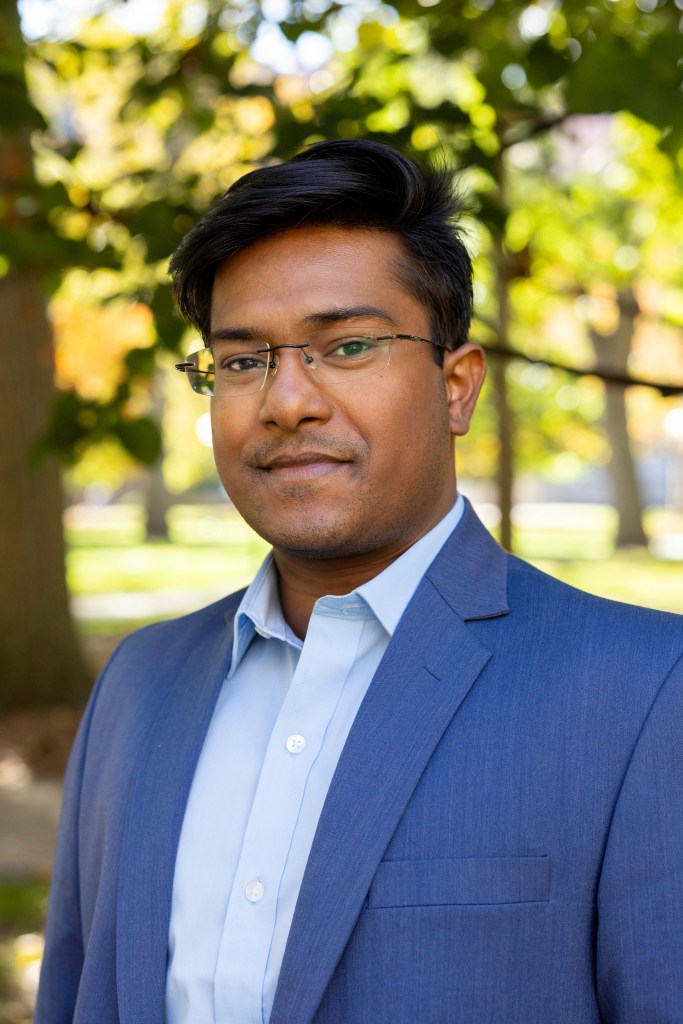
Ashutosh Mirashe is a second-year Master of Science student at the University of Michigan’s School for Environment and Sustainability (SEAS), specializing in Sustainable Systems and Environmental Policy & Planning. His research and professional interests span industrial decarbonization, hydrogen technologies, carbon capture and utilization, and systems-level strategies for net-zero transitions. Prior to graduate school, Ashutosh worked in the steel sector in India, leading ESG initiatives, air and water quality management, and corporate sustainability reporting. At Michigan, Ashutosh has worked on projects like techno-economic analysis of hydrogen versus bio-aviation fuels, and GIS-based risk mapping of water contamination. He recently represented the university as a delegate at the AAAS CASE Workshop in Washington, D.C., engaging with policymakers on climate and science policy. At COP30, Ashutosh is eager to participate in discussions on industrial cluster decarbonization, hydrogen deployment, and climate finance, while also learning from global negotiations to bridge the gap between science, industry, and policy in accelerating just and equitable climate action.

Giuliana Motta is a second-year Master of Public Health student in Environmental Health Promotion and Policy at the University of Michigan. She graduated from Michigan with dual undergraduate degrees in Public Health Sciences and Environmental Chemistry, and has pursued research and advocacy at the intersection of climate, health, and environmental justice. She has worked with local partners in Detroit on community-led water quality initiatives and climate vulnerability mapping, and internationally with the United Nations Framework Convention on Climate Change, where she supported efforts to integrate health considerations into global climate action. Giuliana’s research and professional interests focus on advancing policies that link planetary health, climate resilience, and health equity. At COP30, she is eager to learn from negotiations and side events on health in climate policy, and to bring back insights that strengthen community-driven environmental health solutions at the local and global level.
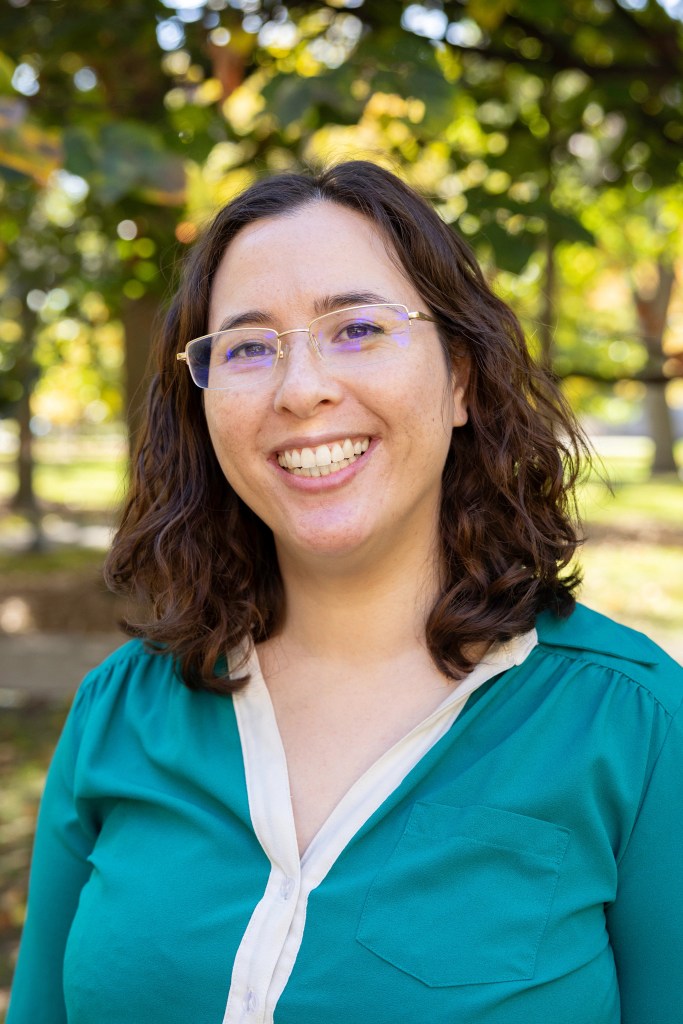
Lisa Nguyen is a fifth year PhD student in Applied Physics at the University of Michigan, working in the Climate and Space Sciences Department with Professor Mohammed Ombadi. She graduated from University of California Berkeley with dual degrees in Pure Mathematics and Physics, and prior to graduate school she worked as a data scientist at a natural foods consulting firm. Her research investigates the impacts of hydrological extremes on food systems through advanced data analytic techniques. She views climate policy as one the most direct and immediate tools for shaping sustainable water resource management. At COP30, Lisa is eager to engage with discussion on how climate policy is implemented across both developed and developing countries navigating very different water resource needs. She hopes these insights will enrich and guide her research.
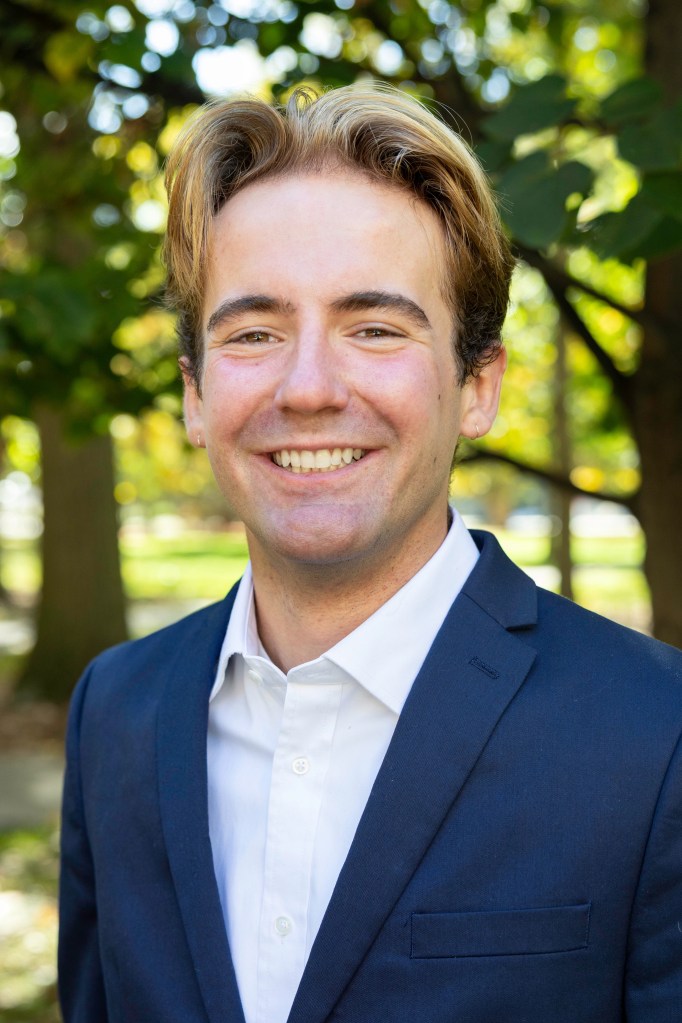
Patrick Periard is a first-year Master’s student in Environmental Engineering, specializing in Air, Climate, and the Environment. He graduated from the University of Michigan with a degree in Environmental Engineering. Throughout his education, he has worked as an environmental engineer in industry focusing on environmental policy and carbon accounting. He has seen first-hand the impacts of international climate policy on business operations and the pursuit of a more sustainable future. At COP30, Patrick is excited to learn from industry experts on the interconnection of business and climate policy. He is looking forward to seeing first-hand the creation and deliberations surrounding international climate policy and making connections and community with other climate-motivated individuals.
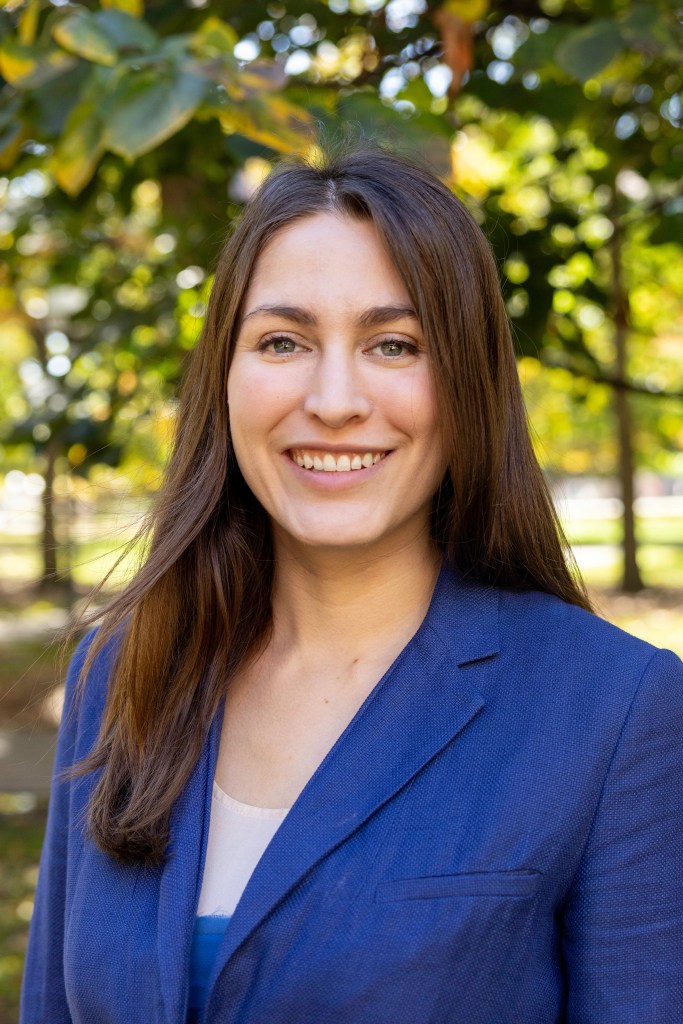
Maria Salazar is a fourth-year PhD candidate in the Climate & Space Sciences Department at the University of Michigan. Before graduate school, she earned her undergraduate degree in Computer Science from the University of Texas at Austin and worked as a software engineer. Her research focuses on how the El Niño-Southern Oscillation impacts terrestrial vegetation and carbon uptake through photosynthesis in Earth System Models, particularly in tropical forests. She is passionate about understanding the science behind our natural world and about translating scientific insights into actionable policy. At COP30, Maria is eager to learn from discussions on tropical forests and nature-based solutions and to apply those insights in shaping her future research.
Want to know what’s happening at COP30?
Follow Climate Blue on X to see updates from the delegates: @ClimateBlue
Follow the Climate Blue Instagram to see updates from the delegates: @ClimateBlueUMich
Also check out the COP30 Blog section on this site to see blog posts from the delegates.
 Climate Blue